 How-to
How Attachment-Based Therapy Works: A Step-by-Step Guide
Table of Contents
- How Attachment-Based Therapy Works: The Core Principles
- What Happens in an Attachment-Based Therapy Session
- Attachment-Based Therapy Techniques Used by Therapists
- How Long Does Attachment-Based Therapy Take?
- Attachment-Based Therapy vs Traditional Therapy: Key Differences
- Who Benefits Most from Attachment-Based Therapy
- Conclusion: Is Attachment-Based Therapy Right for You?
- Frequently Asked Questions
Last Updated: 12 October 2026
How Attachment-Based Therapy Works: The Core Principles
Attachment-based therapy is a form of counselling that helps people understand how their earliest relationships shape the way they connect with others today. At IABCT, we use this approach to help adults, couples and families rebuild trust and emotional safety.
The idea is simple. The bonds you formed as a child set a template for every relationship that followed. When those early bonds were inconsistent or painful, that template can keep causing problems long after childhood ends.
Below, we explain exactly how attachment based therapy works, step by step, so you know what to expect before you begin.
Attachment Patterns Formed in Early Relationships
Your first caregivers taught you what to expect from people. If they responded warmly and reliably, you likely learned that relationships are safe. If they were distant, unpredictable or harsh, you learned something else.
Those lessons become attachment patterns. They shape how you handle closeness, conflict and trust as an adult.
Common patterns include:
- Secure: comfortable with closeness and independence
- Anxious: worried about abandonment, seeks constant reassurance
- Avoidant: pulls away when things get emotionally close
- Disorganised: wants closeness but fears it at the same time
Most people do not fit neatly into one box. Patterns shift depending on the relationship and the stress involved.
How the Therapeutic Relationship Becomes the Vehicle for Change
Here is the part most guides miss. In attachment-based therapy, the relationship with your therapist is not just a backdrop. It is the actual mechanism of change.
You bring your usual patterns into the room. You might test the therapist, withdraw, or seek approval. As this plays out, you get a chance to experience something new: a relationship that stays steady.
Over time, that steady experience rewires what you expect from people. This is why the fit between you and your therapist matters so much.
What Happens in an Attachment-Based Therapy Session
A typical session lasts around 50 minutes and follows a loose structure rather than a rigid script. The therapist guides, but you set the pace.
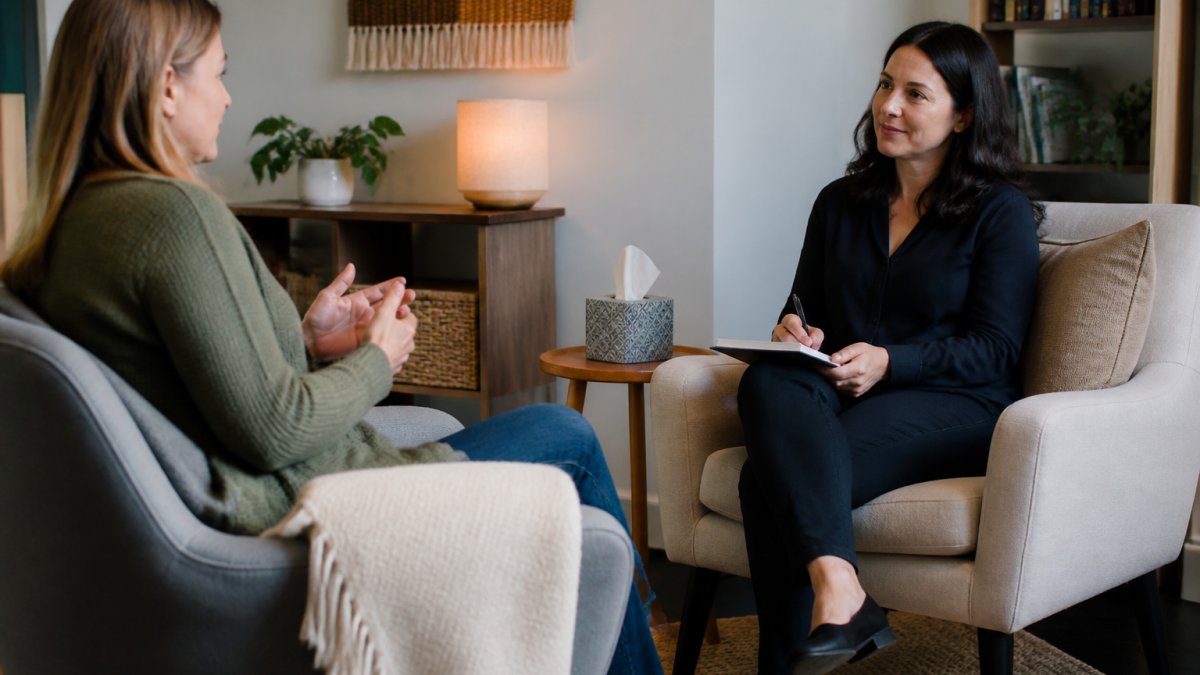
Most sessions move through a few stages:
- Check-in: how your week went and what feels urgent
- Exploration: looking at a current pattern or memory
- Connection: linking that pattern to early relationships
- Practice: trying a new response in the room
- Close: grounding and a plan for the week ahead
The first few sessions focus on building safety. You will not be pushed to discuss trauma before you are ready.
Attachment-Based Therapy Techniques Used by Therapists
Therapists draw on several attachment-based therapy techniques, and the mix depends on your goals. No two plans look the same.
Common techniques include:
- Affect regulation work: noticing and calming strong emotions
- Reflective dialogue: slowing down reactions to see what is underneath
- Mentalisation: building the skill of reading your own and others' minds
- Narrative work: retelling your story in a way that makes sense
- Experiential exercises: trying new ways of relating in the session itself
We also use the Dynamic Maturational Model of attachment and adaptation in our training. This framework looks at how people adapt to danger and threat, not just whether they are "secure" or "insecure". It is more nuanced than older models, and it fits complex trauma better.
How Long Does Attachment-Based Therapy Take?
There is no fixed timeline. Many people notice meaningful shifts within a few months, while deeper patterns can take a year or more to reshape.
How long attachment-based therapy takes depends on a few things:
- How long the patterns have been running
- Whether trauma is part of the picture
- How often you attend
- How much you practise between sessions
A realistic guide:
| Situation | Typical Timeframe | Frequency |
|---|---|---|
| Specific relationship issue | 8-12 sessions | Weekly |
| Ongoing anxiety or avoidance | 6-12 months | Weekly to fortnightly |
| Complex or childhood trauma | 1-2 years | Weekly |
| Couples work | 12-20 sessions | Weekly |
Attachment-Based Therapy vs Traditional Therapy: Key Differences
The main difference is focus. Traditional therapy often targets symptoms, such as low mood or anxious thoughts. Attachment-based therapy targets the relationship patterns underneath those symptoms.
| Feature | Attachment-Based Therapy | Traditional Therapy |
|---|---|---|
| Main focus | Relationship patterns | Symptoms and thoughts |
| Uses the therapy bond | Yes, as the core tool | Sometimes |
| Looks at early life | Central to the work | Varies |
| Typical goal | Lasting relational change | Symptom relief |
Attachment-based therapy vs traditional therapy is not really a contest. Many people benefit from both. If your struggles keep repeating in relationships, the attachment lens usually adds something that symptom-focused work misses.
Who Benefits Most from Attachment-Based Therapy
Adults who notice the same relationship problems repeating tend to benefit most. So do couples stuck in the same argument, and parents who want to break a cycle with their own children.
You might be a good fit if you:
- Feel anxious or shut down when relationships get close
- Repeat the same conflicts with partners or family
- Carry the emotional impact of past trauma or abuse
- Want to parent differently from how you were raised
- Manage a chronic illness and need emotional support
You do not need a formal diagnosis to start. Many people come because something feels off, not because they have a label.
Conclusion: Is Attachment-Based Therapy Right for You?
If you have tried therapy before and felt it skimmed the surface, the attachment approach may be the missing piece. It goes after the patterns that keep repeating, not just the symptoms on top.
At IABCT, we offer trauma-informed counselling through our integrated attachment-based approach. We work with individuals, couples and families, online or in person, and we bring extensive training in the Dynamic Maturational Model to every session. Our clients often report stronger relationships and better emotional control.
Call now to book an initial session and start reshaping how you connect with the people who matter most.
Frequently Asked Questions
How does attachment-based therapy work?
Attachment-based therapy works by helping you recognise how early relationship patterns shape your current reactions and connections. In sessions, your therapist builds a safe, consistent relationship with you, then uses that relationship to explore and gently challenge unhelpful patterns. Over time, you develop new ways of responding to closeness, conflict and stress. The approach draws on attachment theory and neuroscience, and it can be delivered in person or via Zoom.
What happens in an attachment-based therapy session?
An attachment-based therapy session typically involves talking through recent interactions and emotional responses, identifying moments when old attachment patterns surfaced, and practising new ways of relating. Your therapist may guide you through reflective exercises, help you track physical sensations linked to emotions, and explore memories that shaped your expectations of relationships. Sessions usually last around 50 minutes and follow a consistent structure to build a sense of safety.
How long does attachment-based therapy take?
How long attachment-based therapy takes varies with your goals, history and the complexity of your concerns. Some people notice meaningful shifts within 8 to 12 sessions, while deeper patterns linked to childhood trauma may take several months or longer. Your therapist should discuss a realistic timeline with you early on and review progress regularly, so you are not left wondering whether it is working.
What is the difference between attachment-based therapy and traditional therapy?
Attachment-based therapy vs traditional therapy comes down to focus. Traditional approaches such as cognitive behavioural therapy often target specific symptoms and thought patterns. Attachment-based therapy looks at how your earliest relationships shaped your current ways of connecting, and it uses the therapeutic relationship itself as a tool for change. Many therapists combine both approaches, so you may work on practical coping strategies while also exploring deeper relational patterns.