 Comparison
Bloom Wellbeing Alternative for Attachment Therapy
Table of Contents
- Why People Look for a Bloom Wellbeing Alternative for Attachment Therapy
- What to Look For in an Attachment-Based Therapy for Adults
- Comparing Your Options: Bloom Wellbeing vs Other Attachment Therapy Approaches
- Signs You're Working With a Genuinely Trauma-Informed Counsellor
- Questions to Ask a Therapist Before You Commit
- How Long Does Attachment Therapy Take to Show Results?
- How IABCT Supports Attachment Healing and Recovery
- Conclusion: Choosing the Right Attachment Therapy for You
- Frequently Asked Questions
Last Updated: October 16, 2026
Why People Look for a Bloom Wellbeing Alternative for Attachment Therapy
Most people don't start searching for a Bloom Wellbeing alternative for attachment therapy because something went badly wrong. They start because something went only partly right.
You might have done a few sessions somewhere, felt heard in the moment, then noticed the same old pattern reappearing at home three weeks later. That gap between feeling supported and actually changing how you relate to people is the real reason people keep looking.
Clients often arrive having tried counselling before and ask a fair question: how is attachment-based work actually different from what I've already done? The honest answer is that generic talk therapy often treats the symptom, while attachment-focused work targets the pattern underneath it.
Below, we break down what to look for, how the main options compare, and the questions that separate a genuinely trauma-informed counsellor from someone who simply lists trauma on their website.
What to Look For in an Attachment-Based Therapy for Adults
Attachment-based therapy for adults is a form of counselling that examines how your early relationships shaped the way you connect, trust and respond to conflict today. It works on the patterns rather than just the presenting problem.
The practical difference shows up in what the therapist actually does in the room:
- They map your patterns, not just your symptoms. You should leave early sessions with a clearer picture of your specific attachment style and how it plays out.
- They work with the body as well as the story. Trauma-informed practice recognises that emotional responses live in the nervous system, not just in memory.
- They hold the relationship itself as the work. How you relate to the therapist becomes useful information, not background noise.
- They set goals you can measure. Improved emotional regulation, better conflict recovery, more honest communication.
What most guides miss is that modality matters less than fit. A skilled practitioner using a solid framework will outperform a poorly matched expert every time. The Australian Psychological Society's find-a-psychologist guidance is a reasonable starting point for understanding what registration and qualifications actually mean.
Comparing Your Options: Bloom Wellbeing vs Other Attachment Therapy Approaches
Attachment support in 2026 falls into three broad categories: in-person attachment-focused counselling, large online therapy platforms, and self-guided apps. Each solves a different problem.
Here is how the main approaches compare on the factors that actually affect outcomes.
| Option | Format | Best For | Main Limitation |
|---|---|---|---|
| IABCT | In-person or Zoom, attachment-focused | Adults and couples wanting deep pattern change | Requires genuine commitment over months |
| Grow Therapy | Online platform, insurance-linked | Finding a licensed therapist quickly | Therapist fit varies; specialisation not guaranteed |
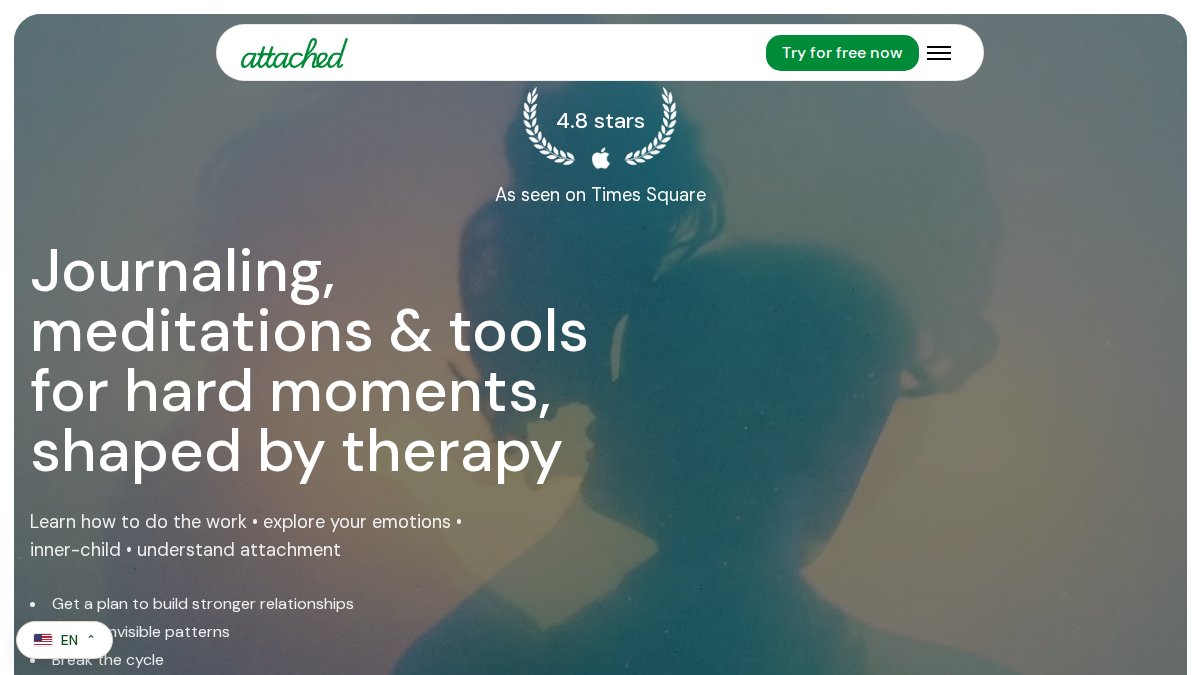
| Attached app | Self-guided mobile app | Learning your attachment style | Not a substitute for clinical therapy |
| BetterHelp | Subscription online therapy | Convenient weekly general support | Subscription model can outpace need |
| Wysa | AI-led coaching app | Immediate emotional regulation support | AI cannot replicate a human therapeutic relationship |
The pattern is clear. Apps teach you about attachment. Platforms give you access to a therapist. Neither is designed specifically to rework the attachment patterns themselves.
That distinction matters more than price. If your goal is understanding, an app may genuinely be enough. If your goal is changing how you show up in your closest relationships, you need a clinician trained in attachment specifically, working with you over time.
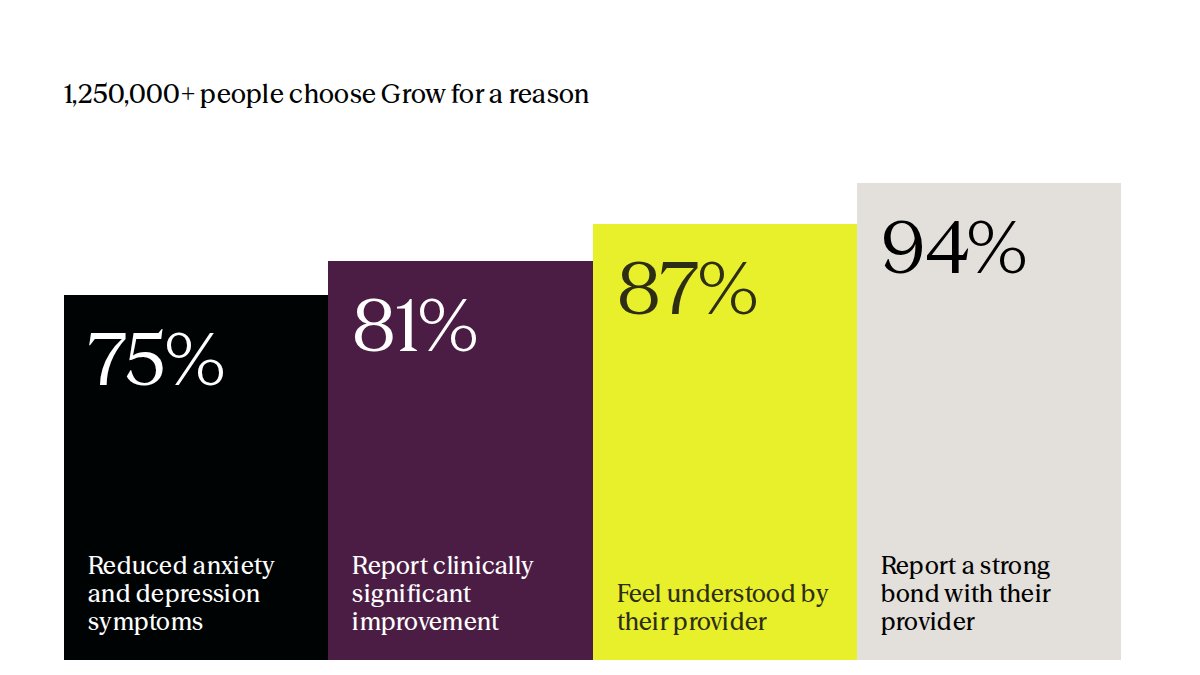
Grow Therapy works well for people who want a licensed professional and are managing costs through insurance arrangements. Where it falls short is specialisation: you are searching a broad network, and attachment expertise is one filter among many.
The Attached app is genuinely useful for the education phase. Learning your style is a real first step. Just don't mistake it for the whole journey.
Signs You're Working With a Genuinely Trauma-Informed Counsellor
A trauma-informed counsellor is a practitioner who assumes that distressing behaviour often traces back to past harm, and who structures every session to avoid repeating that harm. The label is used loosely, so look for behaviour rather than badges.
Watch for these signals:
- They go at your pace. You are never pushed to disclose more than you are ready to share.
- They explain what they are doing and why. Transparency is a core trauma-informed principle, not a nice extra.
- They ask about your window of tolerance. A practitioner who understands nervous system regulation will check in before you become overwhelmed.
- They never frame your reactions as overreactions. The language they use about you matters.
- They have a plan for when things get hard. Ask directly what happens if a session destabilises you.
Questions to Ask a Therapist Before You Commit
The right questions to ask a therapist before you commit are the ones that reveal how they work, not just what they charge. Most people ask about availability and skip the rest.
Bring this list to your first call:
- What specific attachment model or framework do you train in?
- How do you measure whether this is working for me?
- What happens if I feel worse before I feel better?
- Can you help if my partner won't attend sessions?
- How long do clients typically stay with you?
- What are your fees, and is there a cancellation policy?
- Are you registered with a professional body, and which one?
That fourth question matters more than people expect. You can absolutely shift a relationship dynamic when only one person is doing the work. It is slower, and it is real.
On cost: pricing for attachment-based counselling depends on session length, frequency and the practitioner's qualifications. We don't publish a fixed number because the right plan varies by person. Contact IABCT directly for current fees and to discuss what's realistic for your situation.
How Long Does Attachment Therapy Take to Show Results?
Attachment therapy typically takes several months before clients notice a durable shift in how they relate to others. Early relief often comes sooner, but lasting pattern change is slower by nature.
Here is a realistic way to think about the timeline:
- Weeks 1-4: Building safety and mapping your patterns. You may feel worse before better as awareness increases.
- Months 2-3: Noticing triggers in real time rather than after the fact. This is where most people first feel progress.
- Months 4-6: Responding differently under pressure. Partners and family often notice before you do.
- Beyond 6 months: Consolidating new patterns so they hold under stress.
Anyone promising fast, permanent change in a handful of sessions is overselling. Anyone telling you it takes years with no milestones is underselling. Ask for checkpoints.
How IABCT Supports Attachment Healing and Recovery
We built IABCT around one idea: attachment patterns are learned, which means they can be relearned. Our approach is integrated, attachment-based and grounded in how the nervous system actually responds to safety.

What sets our practice apart:
- Deep training in a specific attachment model. Our clinicians train extensively in Dr. Patricia Crittenden's Dynamic Maturational Model of attachment and adaptation, which looks at how people adapt to danger rather than simply labelling them.
- Trauma-informed care throughout. We assume past harm, and we work to avoid repeating it.
- Evidence-informed, neuroscience-based techniques. We explain the mechanism, not just the exercise.
- Zoom or in-person sessions. Same clinician, same standard, your choice of format.
- Clinical supervision and mentoring for professionals. We also support other practitioners in this work.
A couple described reconnecting in ways they had stopped expecting. Another client reported better emotional regulation that carried directly into work performance. A young family came to us to understand their own attachment patterns and how those were shaping their parenting.
Conclusion: Choosing the Right Attachment Therapy for You
The hardest part of this decision is not finding options. It is admitting that the pattern you keep repeating is worth addressing properly, with someone trained specifically for it.
If you have tried therapy before and it didn't shift anything, that is information, not a verdict. The approach matters, and so does the practitioner's depth of training in attachment specifically.
IABCT offers integrated attachment-based counselling, trauma-informed care and evidence-informed techniques, delivered in person or via Zoom by clinicians trained in a recognised attachment model. Call now to talk through what you're facing and whether this approach fits.
Frequently Asked Questions
What is attachment-based therapy?
Attachment-based therapy is a therapeutic approach that explores how your early relationships with caregivers shape the way you connect with others as an adult. It focuses on patterns of relating, emotional regulation, and the beliefs you formed about yourself and others. A trauma-informed counsellor trained in this model helps you recognise these patterns and develop new ways of responding. Sessions may involve discussing past experiences, current relationships, and practical strategies for building security. The goal is not to blame your past but to understand it and create change.
How do I choose an attachment-focused therapist?
Look for someone with specific training in attachment theory and trauma-informed practice, not just general counselling. Ask about their qualifications, the models they use, and whether they receive ongoing supervision. Check if they offer sessions via Zoom or in person, and whether their approach suits your needs, such as individual, couples, or family work. It's also worth asking how they handle past trauma and what their typical treatment length looks like. Trust your gut: you need to feel safe and understood.
What is the difference between attachment-based therapy and trauma-informed counselling?
Attachment-based therapy zeroes in on your relational patterns and how they developed, while trauma-informed counselling is a broader framework that assumes many clients have experienced trauma and adapts the therapy to avoid re-traumatisation. In practice, the two overlap: a trauma-informed counsellor will often use attachment-based techniques, and an attachment therapist should always be trauma-informed. The key difference is emphasis. If your main struggle is with relationships and emotional closeness, attachment-based work may be the primary focus. If you have a history of abuse or neglect, trauma-informed care is essential.
How long does attachment-focused therapy usually take?
There's no fixed timeline. Some people notice shifts in how they handle conflict or express needs within 8 to 12 sessions, while deeper patterns may take six months to a year or more. Progress depends on the complexity of your history, how often you attend, and what you're working on. A good therapist will review goals with you regularly and adjust the pace. If you're seeing a trauma-informed counsellor for attachment issues, expect the work to be gradual but cumulative. You should feel some relief or clarity early on, even if the bigger changes take time.
What alternatives are there to attachment-based therapy?
Alternatives include emotion-focused therapy, cognitive behavioural therapy (CBT), psychodynamic therapy, and schema therapy. Some people use self-guided apps or online platforms for supplementary support, but these are not a substitute for working with a qualified professional, especially if you have significant trauma. If you're looking for a Bloom Wellbeing alternative, consider providers that specialise in attachment and trauma, offer flexible delivery (Zoom or in person), and have verifiable training in models like the Dynamic Maturational Model. Always check qualifications and fit before committing.